
Pet Transport Services from the UK to Kuala Lumpur
Delays, rejected entry, and quarantine escalation can turn a straightforward relocation into a prolonged and expensive process.
Arranging pet transport from the UK to Kuala Lumpur requires strict coordination between UK export regulations and Malaysian import controls. Pets Lets travel manages this process end-to-end with structured execution across veterinary, airline, and government requirements.
From London, Manchester, Birmingham, and high-value residential areas such as Surrey, Kensington, and Canary Wharf, we support executives, international assignees, and high-net-worth families relocating to Malaysia with pets that cannot be exposed to risk.

Our Services
International pet relocation between the UK and Kuala Lumpur involves strict sequencing across documentation, veterinary protocols, airline compliance, and import clearance. Each stage must align precisely with regulatory timeframes, or the entire relocation can be delayed or rejected.
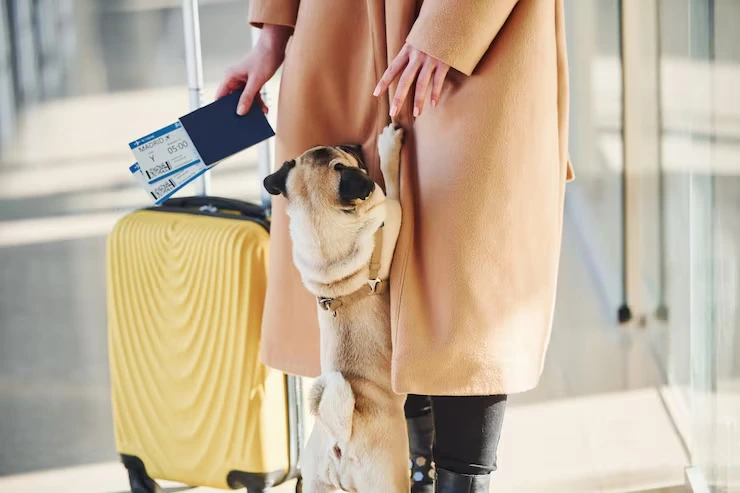
DEFRA Export Documentation Management
Export failures from the UK are typically linked to incorrect sequencing between microchipping, rabies vaccination, and export certification. We manage DEFRA export health documentation with strict attention to timing windows, ensuring the Export Health Certificate is issued within the permitted validity period before departure.
We coordinate directly with authorised veterinarians across London, Surrey, and Manchester to ensure all entries, signatures, and endorsements meet UK government standards. This includes cross-checking microchip registration against vaccination records and ensuring there are no discrepancies that could trigger rejection at Heathrow or other major cargo terminals.
Malaysia Import Permit Processing
Malaysia operates under strict import permit controls, with validity windows that must align precisely with the pet’s arrival date in Kuala Lumpur. Applications submitted too early or too late result in invalid permits, forcing rescheduling of flights and reprocessing of documentation.
We manage the full permit lifecycle, ensuring submission, approval, and usage align with confirmed travel schedules. This includes coordination with Malaysian authorities and alignment with airline cargo bookings. For clients relocating from high-demand regions such as Canary Wharf or Knightsbridge, where timelines are often fixed due to corporate relocation schedules, this control prevents disruption to both personal and professional commitments.
Veterinary Compliance and Rabies Protocols
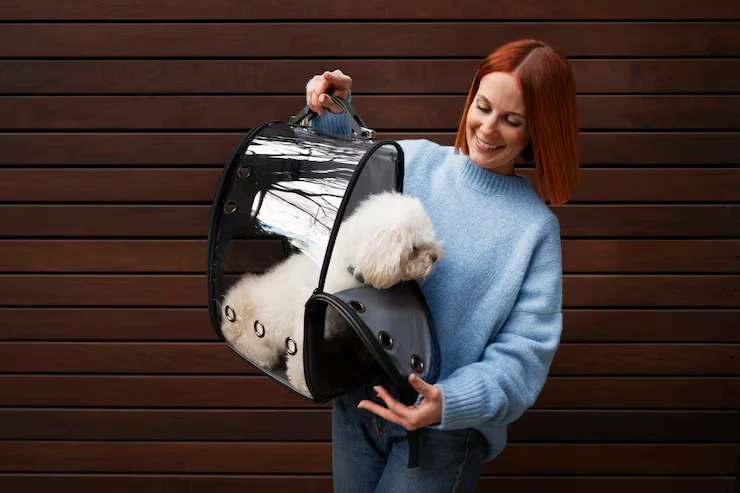
Rabies compliance is one of the most critical elements in pet transport. Errors in vaccination timing, missing records, or incorrect sequencing can delay relocation by several weeks or even months.
We coordinate the full veterinary schedule, ensuring microchipping is completed before vaccination and that all records are properly documented. Where required, we manage additional testing protocols and ensure that health certificates reflect accurate and compliant data. Working with veterinary clinics across areas such as Hampstead, Chelsea, and Guildford, we maintain strict oversight of medical timelines.
IATA Travel Crate Preparation and Airline Acceptance
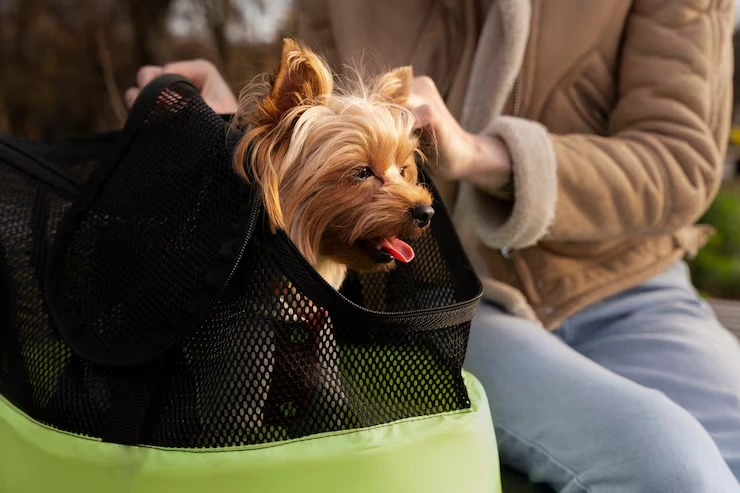
Airline rejection at the cargo terminal is a common issue when crate specifications or documentation do not meet IATA Live Animal Regulations. Crate sizing must be calculated based on precise measurements, including the pet’s height, length, and ability to move comfortably within the enclosure.
We assess each pet individually and supply IATA-compliant crates that meet airline standards for ventilation, structural integrity, and safety. In addition, we ensure all documentation attached to the crate is correctly formatted and visible for airline inspection teams. This preparation ensures pets departing from Heathrow, Manchester Airport, or Birmingham Airport pass airline acceptance checks without delay, avoiding missed flights and additional cargo handling fees.
UK Ground Transport to Departure Airports
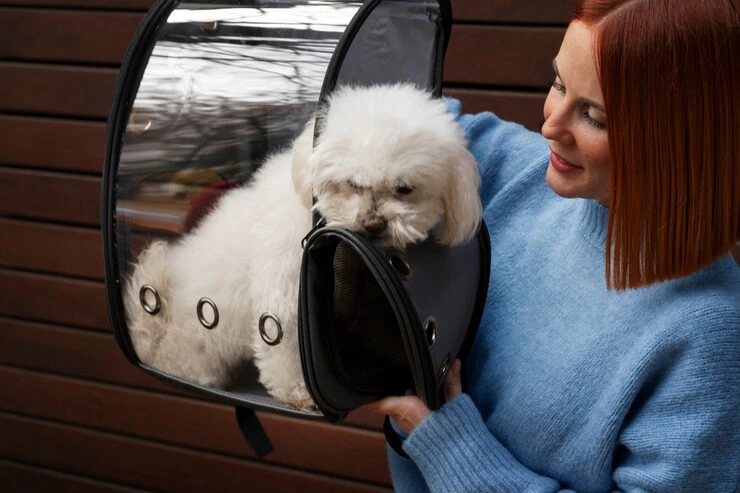
Transporting pets from residential properties to airports requires more than basic logistics. Stress, temperature fluctuations, and poor handling can affect a pet’s condition before flight, which may result in airline refusal.
We arrange controlled ground transport using climate-managed vehicles designed for animal welfare. Collection is coordinated from locations including Central London, Surrey estates, and Cheshire properties, with timing aligned to minimise waiting periods at cargo terminals. This ensures pets arrive in stable condition, ready for airline checks, reducing the risk of last-minute complications at departure points.
Airline Routing and Flight Coordination to Kuala Lumpur
Flight routing is a critical factor in both compliance and animal welfare. Poorly planned routes with long layovers increase stress and introduce risk during transit handling. We plan optimal routes into Kuala Lumpur International Airport, prioritising minimal transit times and reliable airline carriers experienced in live animal transport.
Flight schedules are aligned with import permit validity and arrival clearance windows. For clients relocating from major UK cities such as London and Manchester, this ensures predictable transit times and reduces uncertainty across the relocation process.
Kuala Lumpur Clearance and Quarantine Coordination
Upon arrival in Kuala Lumpur, pets are subject to veterinary inspection and documentation review. Any discrepancies can lead to extended holding or quarantine periods. We pre-coordinate all clearance documentation and ensure alignment with Malaysian entry requirements before departure. Where quarantine is required, we arrange facility placement in advance and manage the process through to release.
This reduces waiting times on arrival and ensures pets are processed efficiently without unnecessary extensions that can increase costs and delay reunification.
End-to-End Relocation Oversight
Fragmented coordination between veterinarians, airlines, and government authorities creates multiple points of failure. Without central oversight, communication gaps and timing conflicts are common. We manage the entire relocation process as a single controlled operation, overseeing every stage from initial planning in the UK through to final clearance in Kuala Lumpur.
This includes documentation tracking, flight coordination, veterinary scheduling, and regulatory compliance. For clients based in high-value locations such as Mayfair, Oxford, and Canary Wharf, this ensures the relocation process remains structured, predictable, and aligned with broader international move timelines.

Our Expertise Built for High-Value Relocations
Relocations from areas such as Mayfair, Knightsbridge, Oxford, and Canary Wharf often involve compressed timelines, international assignments, and strict compliance requirements. We operate within these constraints with a structured approach that aligns documentation, veterinary timelines, and airline logistics.
Our operational model is built around regulatory accuracy, timing control, and coordination across jurisdictions. This allows us to manage complex relocations without exposing clients to avoidable delays or financial loss.
Industry Statistics That Matter
International pet relocations typically require preparation periods of 8 to 12 weeks due to vaccination and documentation requirements. Import permits for Malaysia operate within limited validity windows, making timing critical. Non-compliant documentation remains one of the primary causes of relocation delays globally. Quarantine durations can increase significantly when entry conditions are not fully met.
Schedule a Consultation to Discuss Your Strategy.

Secure Your Pet’s Relocation Without Risk
Relocating a pet from the UK to Kuala Lumpur is not a standard move. It involves regulatory alignment across two countries, strict timing windows, and coordination between multiple authorities. Each stage depends on the accuracy of the previous one, which is why errors compound quickly and lead to delays, additional costs, and unnecessary stress.
We manage this process with full operational control, ensuring documentation, veterinary compliance, and flight logistics align from the outset. For clients relocating from London, Manchester, Birmingham, and surrounding high-value areas, this structured approach removes uncertainty and protects your wider relocation timeline.
Book a Consultation
Frequently Asked Questions
Can you manage the full UK pet transport to Kuala Lumpur process for us?
Yes, we coordinate every stage from export documentation in the UK to clearance in Kuala Lumpur, so you do not deal with multiple providers.
How early should we start planning our pet relocation?
We recommend starting at least 8 to 12 weeks in advance to align vaccinations, permits, and flight schedules without delays.
Do you work with clients relocating from London and the surrounding areas?
Yes, we regularly manage relocations from London, Surrey, and other high-demand areas with direct airport coordination.
What happens if our pet’s paperwork is incomplete?
Incomplete documentation can lead to flight rejection or entry delays, which is why we manage and verify all paperwork before departure.
Can you arrange transport from our home to the airport?
Yes, we provide controlled ground transport from your residence to the departure airport to ensure compliance and animal welfare.
Do you arrange a pet collection from our home?
Yes, we provide controlled ground transport from your residence to the departure airport to ensure compliance and animal welfare.
Which UK airports do you typically use for departures?
We primarily use Heathrow, Manchester, and Birmingham due to their cargo handling capabilities and airline availability.
Do you coordinate directly with veterinarians?
Yes, we work with your chosen vet or recommend clinics to ensure all medical requirements are completed correctly.
Can you align pet relocation with our international move?
Yes, we integrate timelines with your relocation schedule to ensure your pet arrives in line with your move to Kuala Lumpur.
What risks are involved if the process is not managed correctly?
Common risks include denied entry, extended quarantine, and additional costs due to rebooking or compliance failures.