
Seasonal Pet Travel Advice: Summer and Winter Considerations
Travelling with your pet can be a joy, but it also comes with its own set of challenges depending on the season. Just as we adjust our habits to accommodate summer’s heat or winter’s chill, our pets need similar considerations to ensure their comfort and safety. Whether you’re planning a sun-soaked summer getaway or a cosy winter retreat, keeping your furry friend’s well-being top of mind is crucial.
At Pets Let’s Travel, we know how important it is to plan properly for pet-friendly travel, no matter the season. This comprehensive guide provides expert advice on summer and winter travel, covering everything from heatstroke prevention to staying warm in frosty weather. Let’s dive into the best seasonal pet travel advice for a smooth and enjoyable journey with your pet, no matter the time of year.
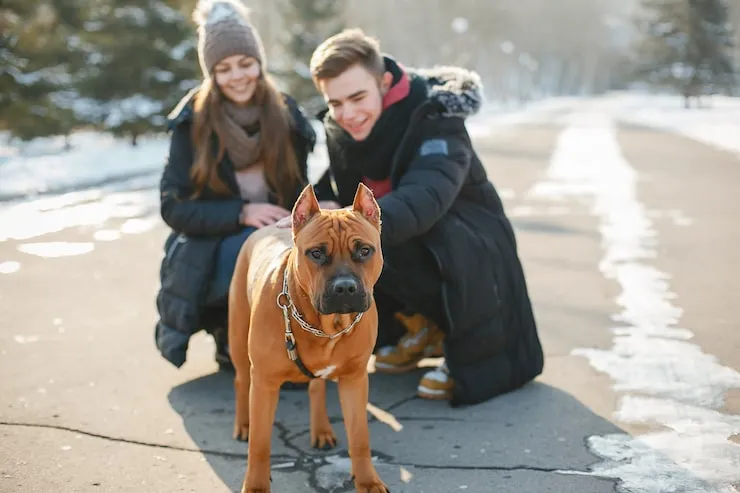
Why Seasonal Pet Travel Planning is Essential
When planning a trip with your pet, the season plays a huge role in how you prepare and what you need to consider. Travelling during summer months brings up concerns about overheating, dehydration, and sun protection. On the flip side, winter travel raises issues like freezing temperatures, slippery surfaces, and reduced daylight.

Impact of Weather on Pet Health
Different weather conditions can affect pets in various ways. For example, brachycephalic breeds (dogs with shorter noses like Pugs or Bulldogs) are more susceptible to heat exhaustion due to their restricted airways. Similarly, small or short-haired pets might struggle to stay warm during winter months. These seasonal changes in temperature, humidity, and overall environment can put your pet’s health at risk if you’re not prepared.
Seasonal Risks to Consider
Regardless of whether you’re travelling during the sweltering summer or freezing winter, certain risks are more prevalent in specific seasons. In summer, it’s important to watch out for:
- Heatstroke: Dogs are especially vulnerable to heat, as they don’t sweat like humans and rely on panting to cool down.
- Dehydration: Travelling in hot weather can dehydrate your pet quickly, especially if they’re active.
- Sunburn: Pets with light skin, short coats, or exposed noses and ears can get sunburned, leading to discomfort or even skin cancer.
In winter, the main concerns are:
- Frostbite and Hypothermia: Prolonged exposure to freezing temperatures can cause these serious health issues, especially for pets that aren’t naturally equipped for cold climates.
- Salt and Ice: These can irritate paws or be toxic if ingested.
- Shorter Days: Reduced daylight hours may limit travel time, which can disrupt your pet’s eating and exercise schedule.
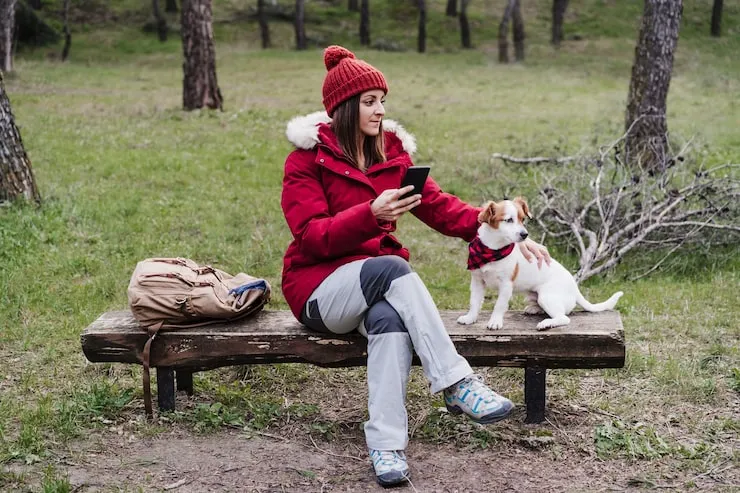
Summer Travel Tips for Pets
Summer is the ideal time for holidays, and bringing your pet along can make the experience even more enjoyable. Whether you’re heading to the seaside, exploring the countryside, or taking a long road trip, having your furry friend by your side is a great way to bond. However, summer’s rising temperatures can present some significant challenges for pets. Unlike humans, animals are not always able to cool themselves down as easily, which puts them at higher risk of overheating. To ensure your pet stays comfortable and safe during your travels, a bit of preparation is key.
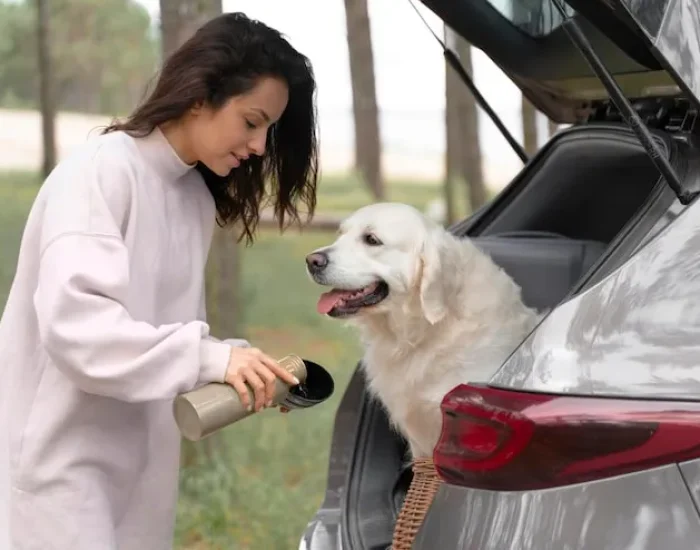
Keeping Your Pet Cool and Comfortable
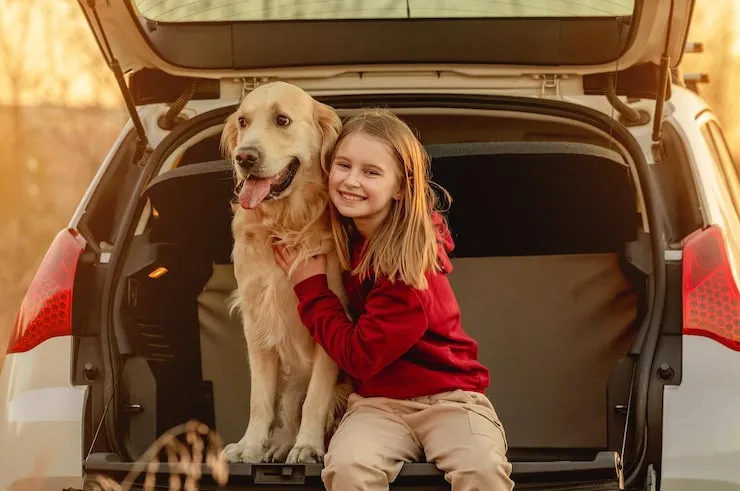
In the UK, summer temperatures may not always reach scorching levels, but even on a mild day, pets can struggle if they’re out in the sun for too long. Dogs, for instance, can’t sweat like we do and instead rely on panting to regulate their body temperature. Cats, too, can find the heat uncomfortable, especially if they have thick fur or are used to cooler indoor environments.
It’s essential to provide plenty of shade and fresh water when you’re travelling with your pet. Whether you’re out on a hike or spending the day at the beach, make sure your pet has a shaded area to retreat to and take regular breaks. Carry a portable water bowl and offer water often to keep them hydrated. It’s a simple but effective way to avoid heat-related problems.
Avoid Travelling During the Hottest Times
One of the best ways to protect your pet from the heat is to avoid travelling during the hottest part of the day. The midday sun can be overwhelming for pets, especially if you’re planning on walking or doing anything active. Early mornings and late afternoons are typically cooler and more pleasant for both you and your pet. If you’re on a road trip, plan your driving routes to include shaded rest stops where your pet can stretch their legs and cool down.
Never Leave Your Pet in a Parked Car
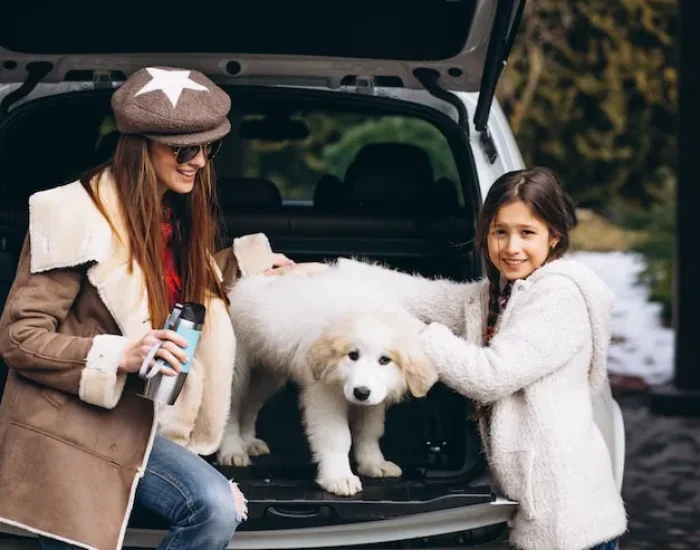
It cannot be stressed enough how dangerous it is to leave pets in a parked car during summer. Even on days when the temperature doesn’t seem particularly high, the inside of a car can quickly become a furnace. Within just a few minutes, temperatures can rise to life-threatening levels, putting your pet at risk of heatstroke. If you need to make a stop, always ensure someone stays with the pet, or better yet, find a pet-friendly place where they can accompany you. Leaving windows slightly open does not provide enough ventilation to make a significant difference.
Cooling Products for Pets
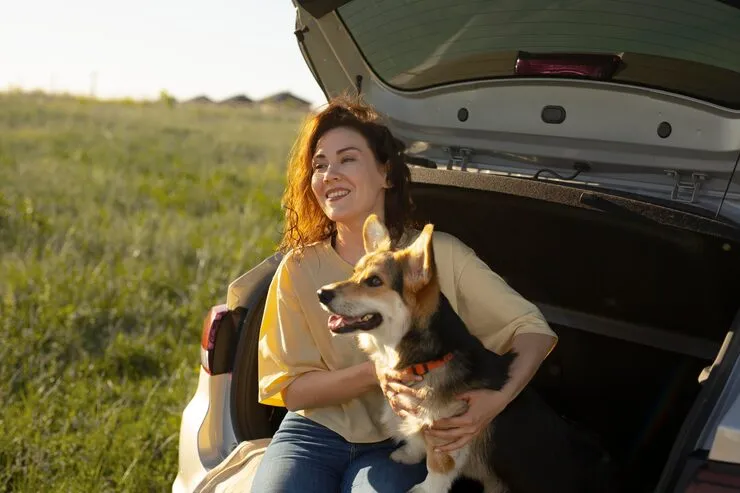
Investing in a few cooling products for your pet can make a big difference during summer travels. Cooling mats are widely available and can be an excellent way to help your pet lower their body temperature. These mats can be used in the car, at your destination, or even outdoors. Cooling vests are another great option, especially for dogs that enjoy being active. Simply soak the vest in water, and it helps keep your dog cool while they’re running around.
If your pet enjoys a swim, a quick dip in the water can also be an effective way to cool them down. Just ensure you’re at a safe, pet-friendly location and always supervise them while swimming, as not all pets are strong swimmers.
Avoiding Heat Stroke and Dehydration
One of the most common dangers pets face in summer is heatstroke, which occurs when a pet’s body temperature rises to dangerous levels. Signs of heatstroke include excessive panting, drooling, weakness, and even collapse. To avoid this, keep your pet in cool, shaded areas and avoid travelling during the hottest parts of the day.
To prevent dehydration, ensure your pet has constant access to water. Carry a portable water dish or bottle on long car rides, hikes, or while walking around your destination. Always check if your destination provides shaded areas for resting and drinking.
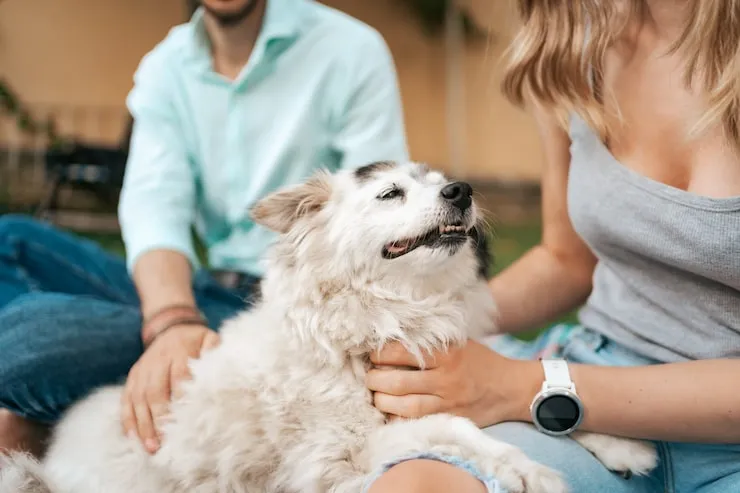
Keeping Your Pet Cool
Pets overheat much faster than humans, so take extra steps to help them stay cool during hot summer trips:
- Cooling Mats: These are great for helping pets regulate their body temperature, whether you’re in the car or at your destination.
- Fans and Air Conditioning: If you’re travelling by car, make sure your vehicle’s AC is functioning well. You can also bring a small portable fan to use if you’re spending time outdoors.
- Wet Towels: Drape a damp towel over your pet or allow them to lie on it for a cooling effect.
- Frozen Treats: There are many pet-friendly frozen snacks you can bring along that are safe and help cool your pet from the inside out.

Travel Accessories for Summer
Summer pet travel accessories can make all the difference in keeping your pet safe and comfortable. Some essentials include:
- Sunscreen for Pets: Dogs and cats with thin coats or pink skin can get sunburned. Look for sunscreen specifically formulated for pets and apply it to sensitive areas like the nose, ears, and belly.
- Paw Protection: Hot pavement can burn your pet’s paw pads. Consider dog booties or paw wax to protect their feet from hot surfaces.
- Lightweight Carriers or Crates: Ensure your pet’s travel crate is well-ventilated to prevent overheating. Opt for a lightweight, breathable fabric if you’re walking with your pet in a carrier.
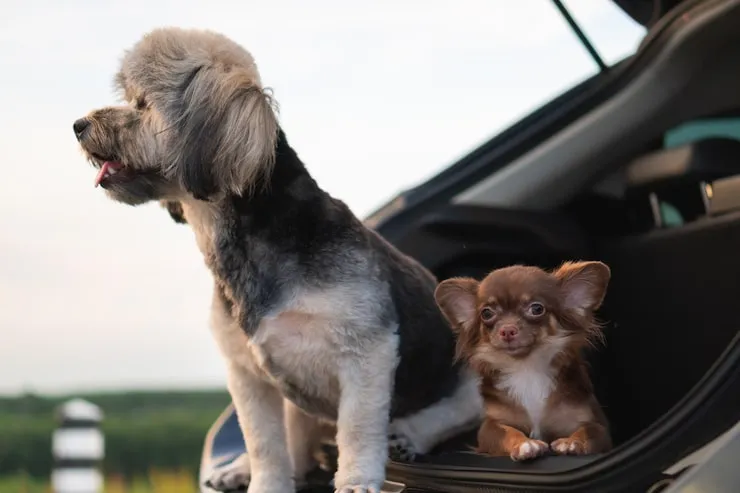
Pet-Friendly Summer Activities
Summer is the perfect time to explore new places with your pet. Here are some fun activities that are both enjoyable and safe:
- Beach Days: Always check if the beach is pet-friendly, and don’t forget to bring plenty of water and a shaded area for resting.
- Hiking: Early morning or late evening hikes are ideal for avoiding the hottest parts of the day. Choose shaded trails to keep your pet cool and hydrated.
- Picnics: Bring a blanket, water, and some pet-friendly snacks. A relaxing picnic in the park can be a fun way to spend time outdoors without overexerting your pet.

Winter Pet Travel Tips
Winter travel can be just as enjoyable as summer if you’re prepared for the colder temperatures. Whether you’re hitting the slopes or heading to a cozy cabin, here are some important tips to keep your pet safe during winter trips.

Cold Weather Hazards to Be Aware Of
Winter weather can pose several dangers to pets, including frostbite, hypothermia, and exposure to toxic substances like antifreeze or de-icing salts. Make sure your pet is protected from extreme cold by providing appropriate gear and monitoring them for signs of discomfort. If your pet starts shivering, seeking shelter immediately is essential.

Keeping Your Pet Warm and Safe
Keeping your pet warm during cold-weather travel requires preparation. Here are some tips for ensuring your pet stays comfortable:
- Winter Coats: Short-haired dogs or those not bred for cold climates should wear a winter coat or sweater when outside. Make sure the coat covers their belly and back to provide full warmth.
- Booties for Cold Pavement: Ice, snow, and salt can damage your pet’s paws. Dog booties not only protect their feet from cold and rough surfaces but also keep harmful chemicals away.
- Paw Balm: If your pet refuses to wear booties, a high-quality paw balm can act as a barrier between their paws and the cold ground.
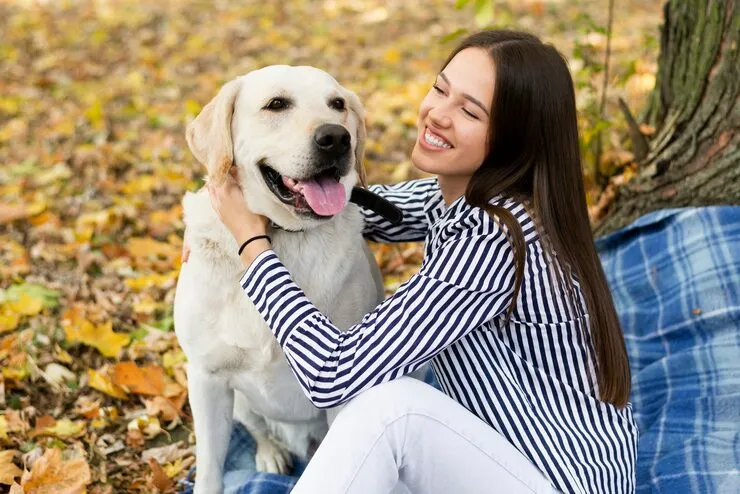
Winter Travel Essentials
When travelling with your pet in winter, pack these essentials to keep them safe:
- Blankets and Towels: Keep extra blankets in your car or travel bag to wrap your pet in during stops or if the temperature drops suddenly.
- Heated Beds or Pads: If you’re staying in a cabin or hotel, a heated pet bed can keep your pet cosy during cold nights.
- Winter Gear: In addition to coats and booties, consider bringing a reflective leash or collar for walks during early mornings or evenings when it’s dark.
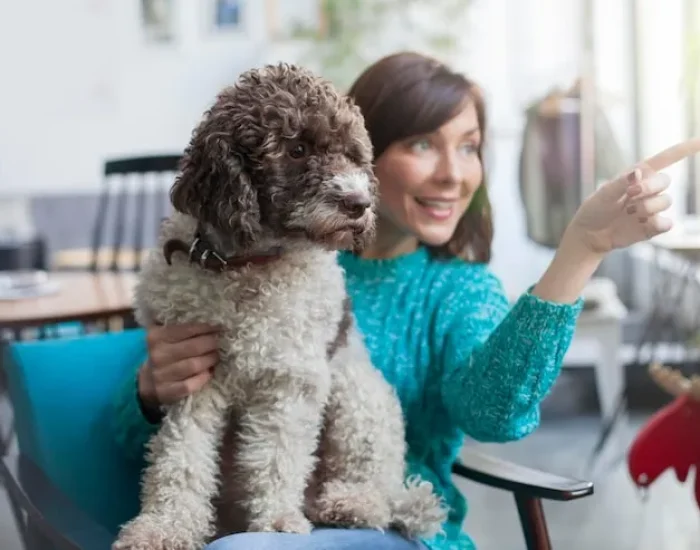
Pet-Friendly Winter Activities
Winter doesn’t have to mean staying inside all the time. Here are some pet-friendly winter activities to try:
- Snow Play: Some pets love the snow! Take your dog out for a fun romp in the snow, but be mindful of their tolerance to the cold. Avoid prolonged exposure, especially if your pet is showing signs of discomfort.
- Winter Walks: Choose paths that are free of ice and salted roads. Use a leash with good grip, and keep walks shorter if the weather is extreme.
- Indoor Play: If it’s too cold for outdoor fun, stimulate your pet indoors with puzzle toys, fetch, or a homemade obstacle course.

Essential Pet Travel Accessories for All Seasons
No matter what time of year you’re travelling, some pet travel accessories are useful in every season.
Crates, Carriers, and Seat Belts
Travelling safely with your pet starts with proper containment. A sturdy, well-ventilated crate or carrier will help ensure your pet’s safety and comfort on the road or in the air. For car travel, consider a seatbelt harness or pet barrier to keep them secure during the journey.
Hydration and Nutrition Solutions
Keep your pet hydrated by packing collapsible water bowls or water bottles with built-in bowls. For long trips, pre-measure your pet’s meals and bring along enough food for the duration of your stay, plus a little extra in case of delays.

Weather-Appropriate Gear
Regardless of the season, pack gear that fits the climate. In summer, opt for cooling vests, fans, and breathable carriers. In winter, pack blankets, coats, and booties. Having season-appropriate gear will ensure your pet stays comfortable during all types of travel.

Preparing for Long Trips with Pets
Whether travelling by car or plane, preparing for long trips is crucial to your pet’s well-being. Long journeys can be stressful for pets, so planning ahead can make the experience more pleasant for everyone involved.
Car Travel
For car trips, make sure your pet is secure in a crate or with a seatbelt harness. Plan for frequent rest stops to let your pet stretch, relieve themselves, and get some fresh air. Never leave your pet alone in a parked car, especially in extreme temperatures, as cars can heat up or cool down quickly.
Air Travel Considerations
Flying with pets can be more complex, particularly if your pet will be in the cargo hold. Many airlines
Start Your Pet’s Manchester to Montreal Journey with Confidence
International pet relocation requires calm planning, accurate documentation, and skilled handling. Our Manchester Pet Transport to Montreal services focus on control, clarity, and care at every stage. If your pet’s journey matters to you, the process deserves structured oversight from departure to arrival.
Frequently Asked Questions
What pets can be transported from Manchester to Montreal?
We manage Manchester Pet Transport to Montreal for cats and dogs. Other species may be reviewed based on Canadian import rules and airline acceptance policies.
How early should planning begin?
Planning should begin well in advance to allow time for veterinary documentation, airline booking availability, and crate preparation. Early planning reduces time pressure.
Are pets sedated during transport?
Sedation is not used during Manchester Pet Transport to Montreal unless specifically advised by a veterinarian and approved by airline policy.
Can multiple pets travel together?
Multiple pets can be transported, subject to airline rules, crate requirements, and documentation alignment for each animal.
What happens if a flight is delayed?
We coordinate with airline cargo teams and receiving handlers to manage delays and ensure welfare protocols are followed.
Do owners travel on the same flight?
Owners may travel on the same or different flights. Manchester Pet Transport to Montreal services operate independently of passenger bookings.
What documentation is required on arrival in Montreal?
Required documents typically include health certificates, vaccination records, and microchip confirmation. We review requirements before departure.
Is quarantine required in Montreal?
Quarantine depends on compliance with Canadian entry requirements. Proper preparation usually prevents quarantine placement.