
Reliable Rabbit Courier Agency for Safe Pet Delivery
Rabbits require careful handling during transport due to their sensitive nature and physical vulnerability. With Pets Lets Travel, every journey is planned with a clear focus on safety, comfort, and controlled conditions to reduce stress and protect your pet throughout the trip.
Our rabbit courier agency provides a dedicated service built around structured journey planning and species-specific handling. From collection to final delivery, each step is organised in advance with proper monitoring and clear procedures in place. This is a specialised rabbit transport service, managed with care, precision, and full responsibility.

Our Services
Rabbit relocation involves careful planning around welfare, environmental stability, and controlled handling, which is why our services are structured to protect your pet’s health and minimise stress at every stage.

Pre Transport Health and Welfare Assessment
Before transport is confirmed, our services include a structured health and welfare assessment to determine if your rabbit is fit for travel.
- Confirmation of recent feeding and hydration status
- Observation of behaviour and stress tolerance
- Review of any existing medical conditions
- Assessment of age and weight stability
- Verification of vaccination requirements where applicable
Rabbits with digestive sensitivity require careful planning, and these services help reduce avoidable risks, ensuring the journey is carried out safely and with proper care.

Specialist Rabbit Carrier Preparation
Proper carrier setup is essential for rabbit safety, and our agency includes specialist rabbit carrier preparation to maintain stability and reduce movement-related risks during transport.
- Ventilated hard shell carriers with secure closures
- Absorbent bedding to maintain dryness and hygiene
- Non slip internal flooring for stability
- Secure positioning within the transport vehicle
- Protection from direct sunlight during the journey
These services help minimise stress behaviours such as thumping or scrambling, reducing the risk of injury and ensuring a safer, more controlled travel experience.

Climate Controlled Vehicle Transport
Maintaining the right environment is critical for rabbit safety, and our company include climate controlled vehicle transport to prevent heat stress and cold exposure during the journey.
- Monitored ventilation to maintain consistent airflow
- Stable temperature control throughout the journey
- Reduced noise environment to limit stress
- Secure carrier placement to minimise movement
These services ensure environmental conditions are checked at all times, with seasonal planning in place to avoid extreme temperatures and keep your rabbit safe throughout transport.

Door to Door Collection and Delivery
Reducing handling time is essential for rabbit welfare, and our door to door pet transport services are designed to limit stress from collection to delivery.
- Pre arranged collection windows to avoid waiting times
- Quiet loading procedures to reduce anxiety during handling
- Direct route planning to minimise travel duration
- Controlled delivery handover for a calm and safe transition
These services ensure your rabbit experiences a smooth, low-stress journey with careful handling at every stage.
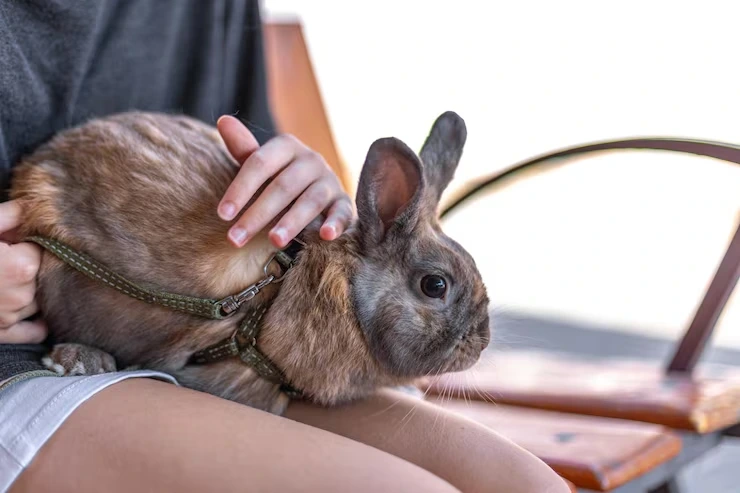
Long Distance Rabbit Relocation Planning
Long distance rabbit transport requires careful planning, and our agency services are structured to manage extended journeys with proper rest scheduling and welfare checks.
- Route mapping to reduce overall travel duration
- Planned rest intervals where required
- Visual welfare monitoring during stops
- Position checks to maintain carrier stability
These services help reduce the risk of dehydration and digestive issues, ensuring your rabbit remains stable and cared for throughout long-distance transport.
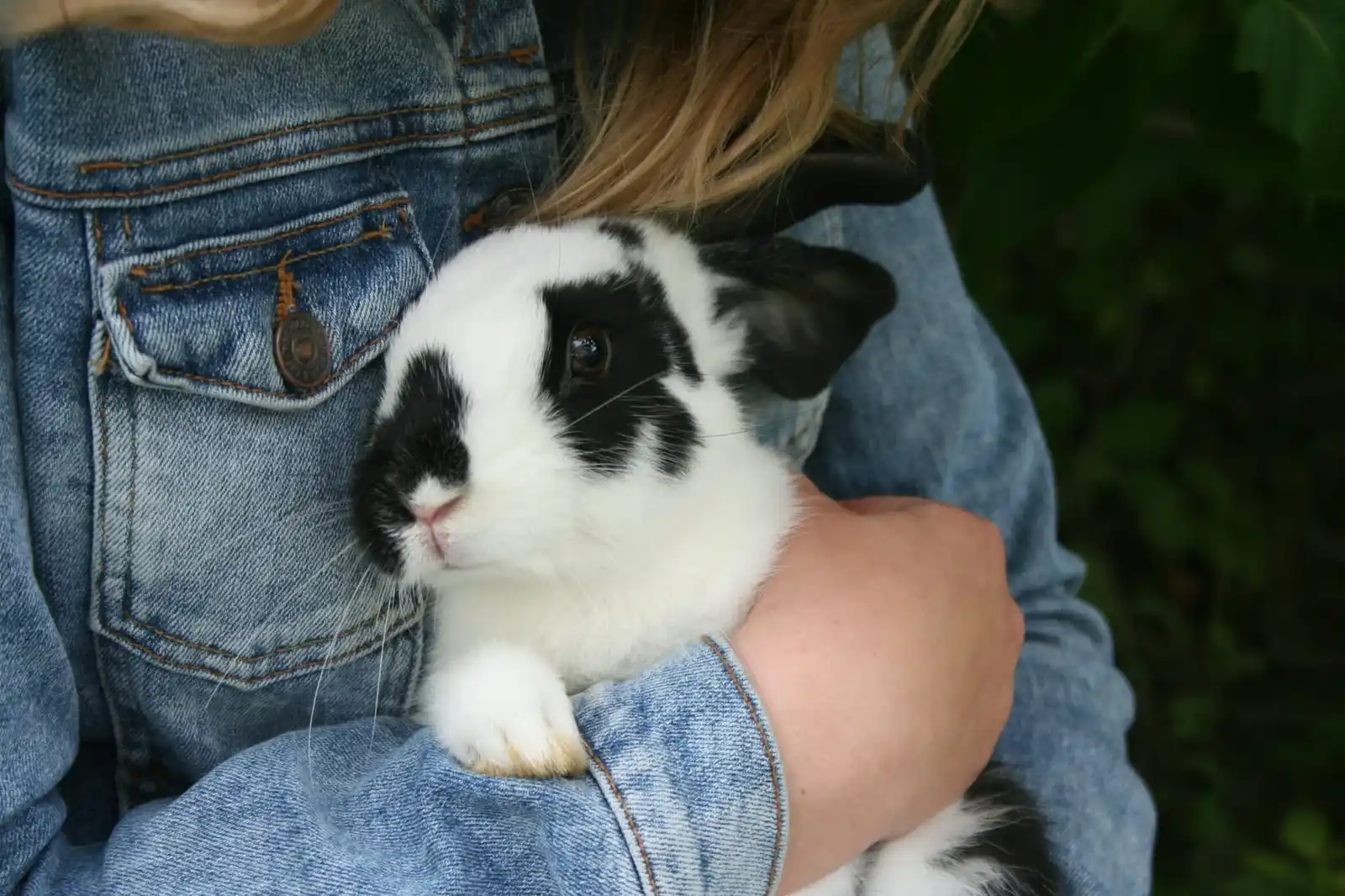
Bonded Pair and Group Transport
Transporting rabbits in pairs or groups requires careful handling, and our services are designed to support bonded animals and maintain their comfort during relocation.
- Assessment of compatibility for shared travel
- Safe enclosure spacing to prevent injury
- Ventilation adjustments for multiple rabbits
- Behaviour observation throughout the journey
Our agency helps reduce anxiety and support emotional stability, ensuring bonded rabbits travel together safely and with minimal stress.

Breeder and Rescue Organisation Transfers
Breeders and rescue organisations rely on our services to ensure rabbits are transferred safely and efficiently between facilities.
- Coordinated pickup scheduling for minimal stress
- Route grouping when multiple transfers are needed
- Controlled delivery windows to fit organisational requirements
- Continuous welfare observation during transit
Our agency maintain consistent handling standards, protecting rabbits throughout each stage of the transfer.
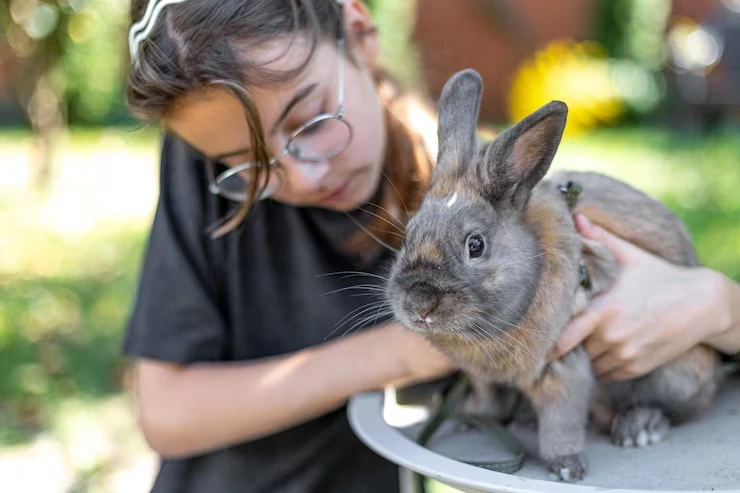
Arrival Guidance and Post Transport Welfare Support
The arrival of rabbits requires careful attention, and our services ensure post-transport welfare is fully supported.
- Guidance on gradual environmental adjustment for a calm introduction
- Advice on resuming feeding routines safely
- Monitoring recommendations for the first 24 to 48 hours
- Awareness of stress indicators and behavioural signs
These services help reduce the risk of post-travel complications, keeping rabbits healthy and comfortable after relocation.
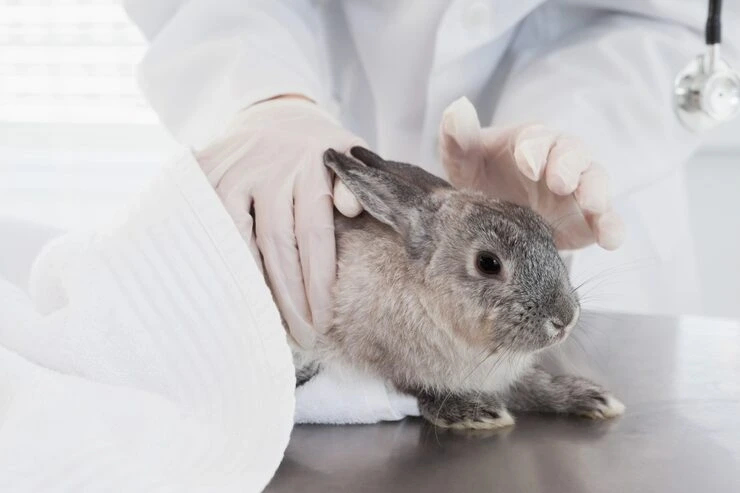
Why Choose Us
Rabbits have fragile skeletal structures and can suffer spinal injuries if startled in confined spaces, and they are also highly susceptible to stress-related gastrointestinal stasis. Our team specialises in careful handling, species-specific transport planning, and constant monitoring to ensure every rabbit travels safely and comfortably.
Industry Statistics That Matter
- Rabbits are among the most heat sensitive companion animals.
- Stress induced gastrointestinal stasis is one of the most common emergency conditions in rabbits.
- Skeletal fragility increases risk of spinal injury during sudden movement.
- Inadequate ventilation during transport raises respiratory complication likelihood.
Proper planning and controlled environmental management significantly reduce these risks.

Plan Your Pet’s Journey With Confidence
If you want clear planning, gentle care, and a service that treats your pet like family, we are ready to support you.
Book a consultation today and let us prepare your pet’s move with steady steps and personal care.
Frequently Asked Questions
Can you safely transport my rabbit over long distances?
Yes. Rabbits travel in secure carriers with careful handling and regular checks to keep them calm, safe, and comfortable throughout the journey.
Can you handle rabbits that are easily stressed?
Yes. Our expert team understands rabbit behaviour and uses calm handling techniques to help nervous rabbits stay settled during the journey.
Can I provide food for my rabbit during transport?
Yes. You can provide your rabbit’s usual food, and we follow your instructions to keep their routine consistent during the journey.
Can you handle baby rabbits?
Yes. Young rabbits are handled with extra care, ensuring they remain safe, warm, and comfortable during travel.
Can you manage urgent rabbit transport requests?
Yes. We can arrange transport on short notice while ensuring your rabbit is handled safely and professionally.
Can you transport rabbits with special care needs?
Yes. Rabbits needing extra care are handled with close attention, following instructions to keep them safe and comfortable.
How do you ensure my rabbit arrives safely?
From pickup to delivery, every step is handled with care, ensuring your rabbit arrives calm, secure, and in good condition.