
Our Relocation Process
Your Pet's Journey Home: The Complete Relocation Roadmap
Moving your pet to a new country sounds simple until you start looking into it. Suddenly there’s talk of titer tests, export permits, crate dimensions, and airline embargoes. It’s a lot.
This page breaks down exactly how pet relocation works with us, step by step, so you know what’s coming before you even pick up the phone.
Whether you’re shipping a single cat across a border or flying a family dog to the other side of the world, the process below is the one we follow every time.
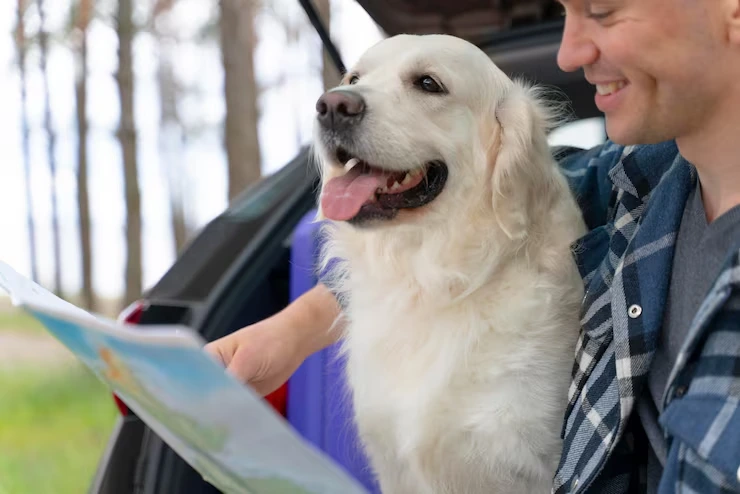
The Short Version: Three Phases, Eight Steps
Phase | What happens | Steps |
Planning | We map the route, timeline, and requirements | 1 to 3 |
Preparation | Your pet gets medically and physically ready | 4 to 6 |
Travel | The journey itself, plus handover at the other end | 7 to 8 |
Here’s each step, broken down in full.
Let's Talk First
Everything starts with a conversation, not a form.
You tell us:
- Where you’re moving from and to
- Your pet’s species and breed
- Your rough timeline
We use that to give you an honest first read on what’s actually involved. A cat moving from the UK to France is a completely different job to a large dog flying from the US to Australia, both in complexity and cost.
We’ll also flag anything that could throw a wrench in your plans early on, such as:
- Breed restrictions at your destination
- Quarantine requirements
- Airline-specific size or weight limits
Heads up: The earlier we know your timeline, the more options you’ll have later. Some steps down the line simply cannot be rushed.

The Paper Trail Starts Here
Next, we dig into your pet’s actual health record.
We’ll ask for:
- Your vet’s notes
- Current vaccination history
- Any existing microchip or passport documentation
Our team then cross-checks all of it against the import requirements for your specific destination.
This step matters more than it sounds. Every country sets its own rules for what counts as an acceptable pet shipping process. Some require a rabies antibody titer test months in advance. Others need specific parasite treatments within a tight window right before travel.
Miss one of these and a move can be delayed by weeks. That’s why we build your personal checklist here, not later.

Locking In the Details
With the health picture clear, we confirm dates, select the best routing, and finalise your quote.
You’ll get to choose from options that actually make sense for your pet, including:
- Direct flights where possible
- The right cargo or excess baggage arrangement for your pet’s size
- A realistic delivery window at the other end
This is the moment the plan turns into a real schedule. You’ll receive a full itinerary showing every milestone between now and delivery day, including the deadlines for each step that follows.
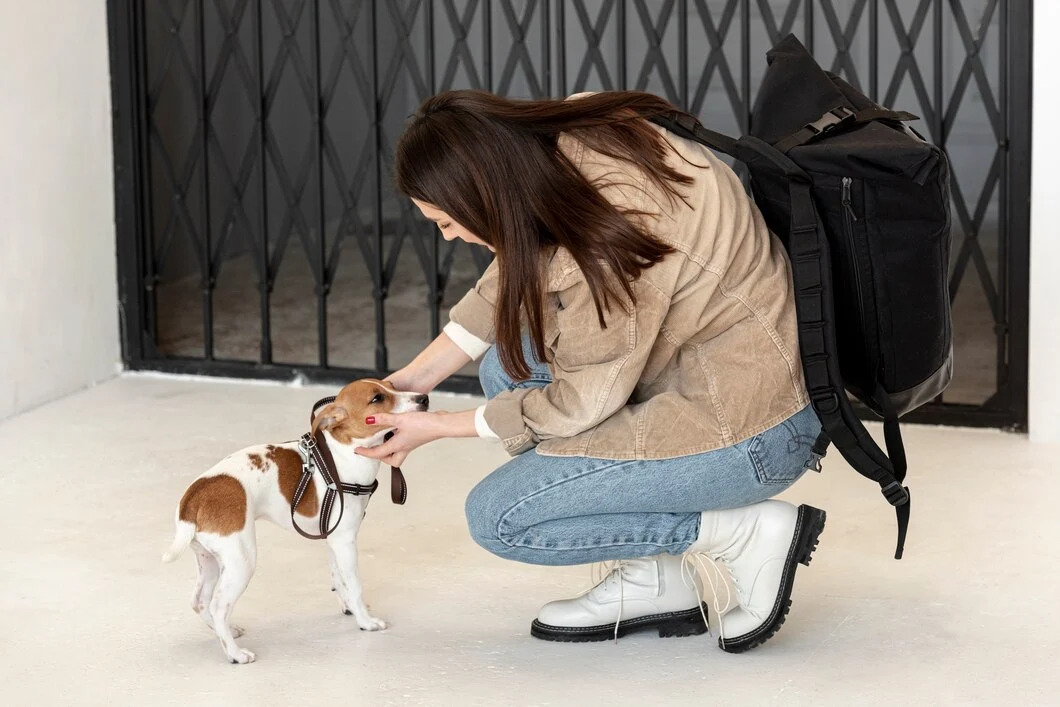
Getting Vet-Ready
Booking confirmed, now the real preparation begins.
Your pet may need:
- Any outstanding vaccinations
- A rabies titer blood test, depending on destination (this can take several weeks to process)
- An official health certificate, signed by your vet
Timing is everything here. Some countries require the titer test to be completed a set number of months before travel, which makes this the step with the tightest deadlines in the entire process.
Most countries also only accept health certificates issued within a narrow window before departure, often just 10 days. We’ll tell you exactly when to book that vet visit so nothing expires.
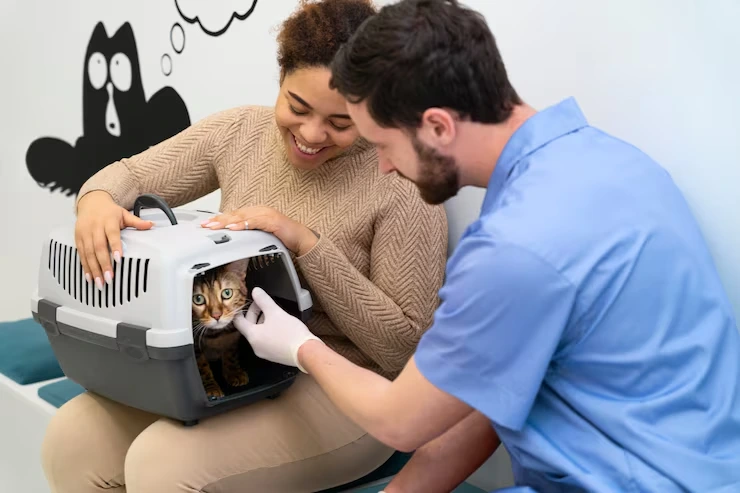
Building Crate Confidence
A calm pet travels better than a stressed one, full stop.
In the weeks before departure, we recommend a gradual crate training routine so the crate becomes a safe, familiar space rather than something brand new on travel day. We’ll provide:
- A training schedule you can follow at home
- Guidance on crate size and type for both comfort and airline compliance (these requirements differ by carrier)
- Advice on feeding schedules before travel
We’ll also help you think through the practical extras: bedding, ID tags, and comfort items worth packing for the journey.

Dotting the I's
In the final days before travel, everything gets checked, then checked again.
We verify that:
- Vaccinations are current
- Titer results meet destination requirements
- The health certificate is valid and correctly dated
- Export and customs paperwork is fully prepared
This is the administrative engine room of the whole pet relocation process. It’s the coordination between your vet, government agencies, and the airline, all timed so nothing falls outside its required window before travel day.

Wheels Up
Travel day has arrived.
Depending on your pet’s size and route, this might mean:
- Checked cargo
- A specialist pet charter
- Accompanied cabin travel, where regulations allow
We coordinate directly with the airline and ground handlers so your pet’s journey is monitored at every transfer point, especially on routes with a layover.
We know this is the step that worries pet owners most. You’ll have a point of contact throughout, and we track the shipment so you’re never left wondering where your pet is mid-journey.
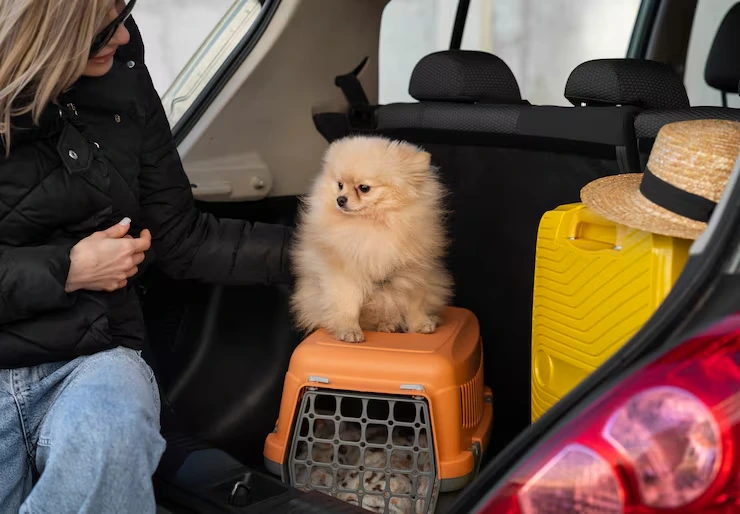
Home Sweet Home
On arrival, your pet clears customs at the destination and is either collected by you directly or delivered to your new address, depending on your chosen service. We handle the on-the-ground logistics so this final stretch is just as smooth as everything before it.
Many pets need a short adjustment period after a long journey. We’re happy to share settling-in guidance so the first few days in a new home go as comfortably as possible.
Typical Timeline at a Glance
Wondering how long each step actually takes? Here’s a rough guide. Your own timeline will depend on your destination, so treat this as a starting point rather than a promise.
Step | Typical duration |
1. Enquiry & consultation | 1 to 2 days |
2. Health assessment & documentation | 3 to 5 days |
3. Booking confirmation | 1 week |
4. Vaccinations & health certificates | 2 weeks to 6 months, route dependent |
5. Crate training | 2 to 4 weeks, run alongside other steps |
6. Pre-flight checks & customs | 1 to 2 weeks |
7. Flight & transit | 1 day to 3 days, depending on layovers |
8. Arrival & delivery | Same day as landing |
The single biggest variable is step 4. Routes requiring a rabies titer test and a mandatory waiting period stretch the overall timeline considerably, so it pays to start that conversation as early as possible.
Common Slip-Ups That Delay a Move
We’ve seen the same handful of issues trip up otherwise well-organised pet owners. Watch out for these:
- Booking flights before confirming health requirements. Locking in dates too early can leave you racing an impossible timeline once the vet requirements are clear.
- Assuming all countries follow similar rules. A friend’s experience moving to Spain won’t tell you much about what’s needed for Singapore or Australia.
- Letting a health certificate expire. These are often valid for as little as 10 days, so timing the vet visit correctly is critical.
- Buying a crate before checking airline specifications. Not every crate that fits your pet comfortably at home meets a specific carrier’s in-transit requirements.
- Skipping crate training because “there’s no time.” A pet that panics in an unfamiliar crate on travel day makes an already long journey harder for everyone.
None of these are difficult to avoid once you know to look out for them, which is really the point of walking through the process up front.

Not All Routes Are Equal
One of the most common questions we get: why does the process look so different from one destination to the next?
The honest answer is that there’s no single global standard. Every country sets its own import rules, and those rules can touch nearly every step above.
Destination type | What to expect |
EU and similar pet passport countries | Relatively predictable once vaccinations are current |
Rabies-free countries (Australia, New Zealand, parts of the UK scheme) | Mandatory titer test plus a waiting period, sometimes up to 6 months |
Hot-climate routes | Seasonal airline embargoes on cargo travel, especially for short-nosed breeds |
None of this is something you need to track yourself. It’s exactly why Step 2 exists: to turn your specific route into a concrete, dated checklist instead of a generic list of “things pets usually need.”
Quick Wins: How You Can Help
Most of the coordination sits with us, but a few things on your end make a real difference.
Do this | Why it matters |
Start early | Titer tests and vaccination schedules need lead time that can’t be compressed |
Choose a vet experienced with export certificates | Small formatting or dating errors are a common cause of delay |
Begin crate training well before travel day | A pet comfortable in their crate handles the journey far better |
Keep your contact details current | We can reach you instantly if the transit plan changes |
Pro tip: If you only do one thing early, make it the vet conversation. Everything else in the timeline gets built around it.
Why This Roadmap Works
Pet shipping doesn’t forgive shortcuts. A titer test done too early, a health certificate signed a day too late, or a crate that doesn’t meet an airline’s dimensions can turn into a delayed or cancelled trip.
Breaking the process into eight clear steps isn’t paperwork for its own sake. It’s what keeps your move on schedule and your pet safe and unstressed along the way.
It also means you always know what’s happening next. Relocation raises a lot of questions for pet owners, and a clear step-by-step process answers most of them before they’re even asked.

FAQs
How long does the whole process take?
Do I need to be present for every step?
What if my pet's paperwork doesn't meet requirements in time?
Can I track my pet during transit?
Will my pet need to be sedated for travel?
Does crate training really make a difference?
Yes, pets that are comfortable in their crate before travel day are noticeably calmer during the actual journey.
What happens if there's a flight delay or cancellation?
We monitor the booking and coordinate directly with the airline to rebook or adjust logistics as needed.
Can I relocate more than one pet at the same time?
What documents will I need to keep on hand personally?
Ready When You Are
If you’re planning a move, the best first step is the same as ours: a conversation.
Get in touch and we’ll walk through your route, your pet, and your timeline, and tell you honestly what the road ahead looks like.