
Crate Training & Travel Preparation Guide for Pets
Traveling with a pet is exciting for you, but it can feel confusing and unsettling for them. A crate that feels like a safe den at home can suddenly feel like a strange box once wheels, engines, or new smells enter the picture. The good news is that with the right preparation, most pets can learn to see their crate as a calm, familiar space no matter where it ends up.
This guide breaks down crate training for travel into small, manageable steps. You will find timelines, checklists, and simple fixes for the most common travel anxiety signs, all written to help you skim, scan, and act fast.
If you have not picked out a crate yet, our guide on choosing the perfect travel crate and accessories covers sizing, materials, and airline-approved options. This article picks up from there and focuses on the training and behavior side of things.
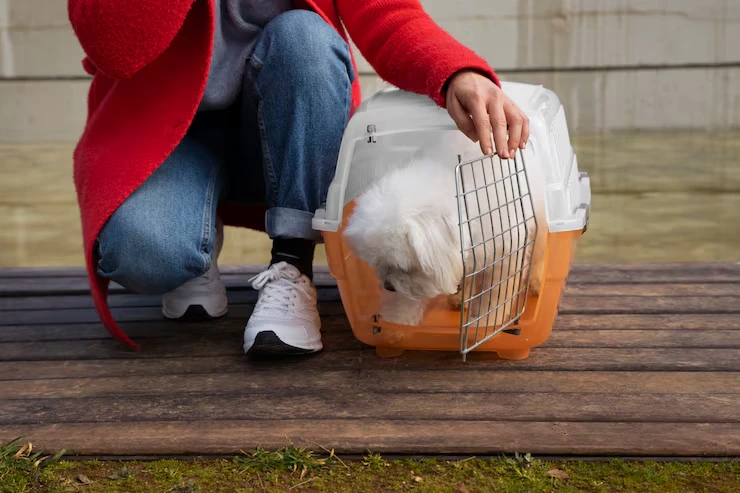
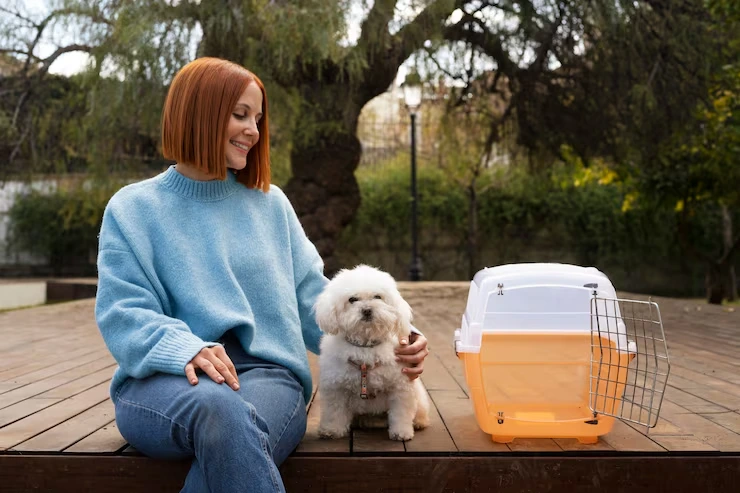
The Case for Crate Training Before Any Trip
A trained pet associates the crate with safety, not confinement. This single shift changes how they experience an entire trip, from the car ride to the airport to check-in at a hotel.
Pets who are comfortable in a crate tend to show:
- Lower heart rate and calmer breathing during transit
- Less barking, whining, or scratching at the crate door
- Faster settling once the crate is placed in a new environment
- Reduced risk of escape attempts at security checks or rest stops
Skipping crate training and hoping for the best on travel day usually backfires. Pets that are unfamiliar with their crate often panic once it starts moving, which can lead to injury, lost luggage delays, or a stressful start to your trip.
Picking a Crate That Sets Training Up for Success
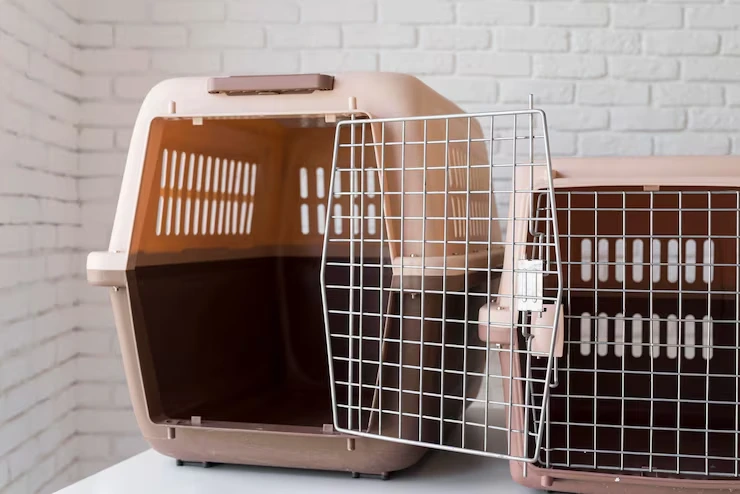
Before any training begins, the crate itself needs to fit the pet properly. Too small and they cannot turn around comfortably. Too large and it stops feeling secure, plus it becomes harder to stabilize during transit.
Pet Weight | Suggested Crate Size | Notes |
Under 10 lbs | Small (19 to 22 inches) | Good for cabin travel on most airlines |
10 to 25 lbs | Medium (24 to 28 inches) | Check airline cargo dimension limits |
25 to 55 lbs | Large (30 to 36 inches) | Requires hard-sided crate for most flights |
Over 55 lbs | Extra Large (40 inches plus) | Cargo hold travel, ventilation is critical |
For a full breakdown of crate materials, locking mechanisms, and airline-approved brands, see our separate accessories guide linked above. This piece focuses purely on getting your pet mentally and behaviorally ready to use it.
The Crate Training Timeline
Rushing crate training almost always causes setbacks. Most pets need anywhere from two to six weeks of steady practice before a long trip, depending on age, temperament, and any past negative experiences with confinement.
Phase | Timeframe | Goal |
Introduction | Days 1 to 3 | Pet enters crate on their own, door stays open |
Short Stays | Days 4 to 10 | Pet naps or eats inside crate with door closed briefly |
Extended Stays | Days 11 to 20 | Pet stays in crate for 1 to 2 hours without distress |
Movement Practice | Days 21 to 28 | Crate is carried, placed in car, or moved short distances |
Travel Simulation | Days 29 to 35 | Short drives or outings while pet is crated |
Pets with previous trauma around confinement may need double this timeline. Do not push past a fear response just to stay on schedule.
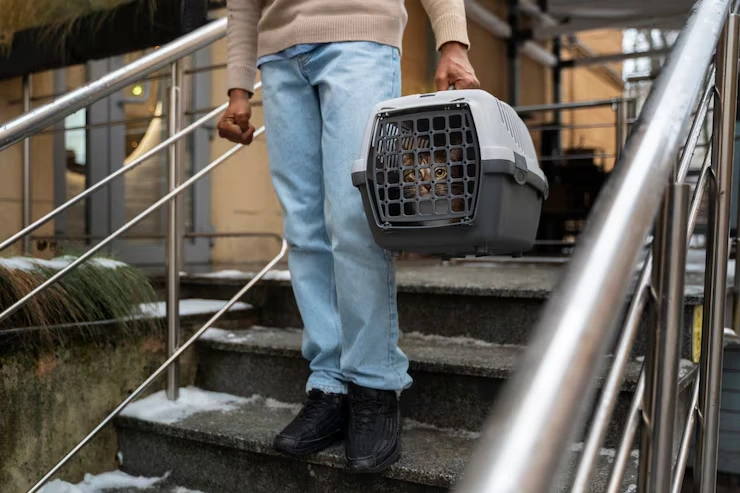
Building Positive Crate Associations
The core of successful crate training for travel is simple: make the crate the best place in the house.
Try these methods in the early phase:
- Feed meals inside the crate with the door open
- Place a worn t-shirt or blanket with your scent inside
- Toss high-value treats into the crate throughout the day
- Add a favorite toy that only appears when they are in the crate
- Let them choose to nap inside during quiet afternoons
Avoid using the crate as a punishment tool at any point. Even one negative association can undo weeks of progress.
Practice Runs Before the Real Trip
Short outings are one of the most effective ways to prepare a pet for actual travel. Start small and build up gradually.
A simple practice schedule looks like this:
- Ten-minute drive around the block, crate secured in the car
- Twenty-minute drive to a nearby park, then back home
- Thirty-minute errand run with the crate in place the entire time
- A half-day outing that includes stops, noise, and new smells
- An overnight stay away from home with the crate as their sleeping space
Each successful outing builds confidence for the next one. If a pet struggles at any stage, repeat that stage before moving forward instead of pushing ahead.
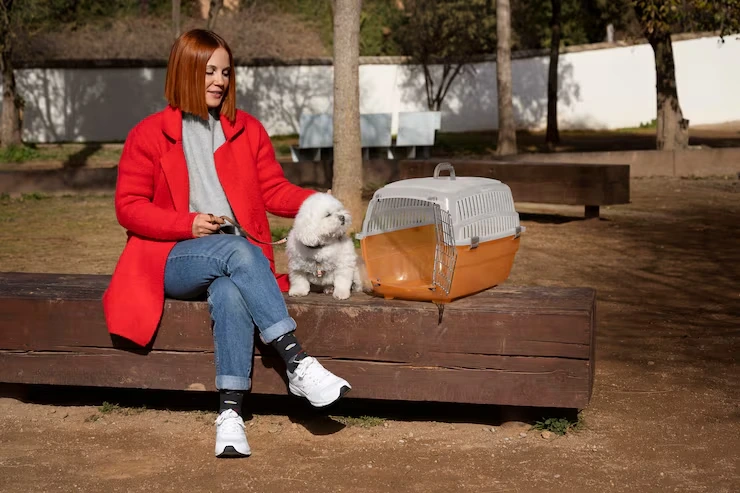
Reading Anxiety Signs and Responding Correctly
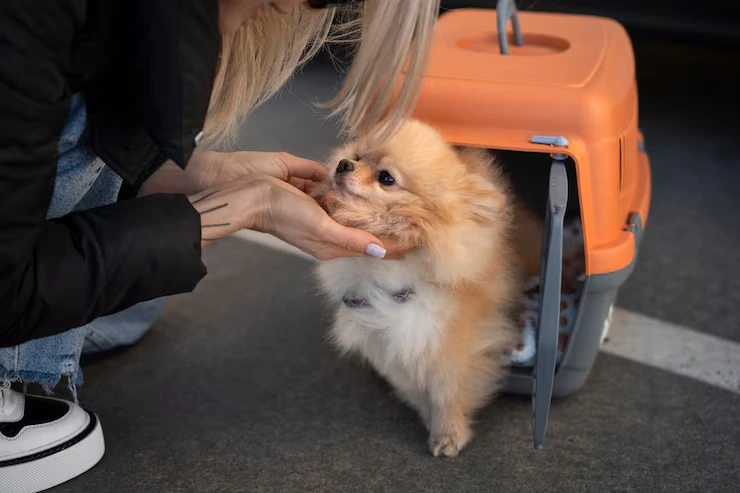
Even well-trained pets can show stress signals in new environments. Knowing what to look for, and how to respond, makes a real difference in how the rest of the trip goes.
Sign | What It Usually Means | What Helps |
Excessive panting | Stress or overheating | Check crate ventilation and temperature |
Whining or barking | Anxiety or need for reassurance | Speak calmly, avoid opening crate immediately |
Pacing or circling | Restlessness | Add a familiar blanket or toy |
Refusing food or water | Nervous stomach | Offer small amounts, do not force |
Excessive drooling | Motion sickness or fear | Consult your vet before travel day |
If a pet shows signs of extreme distress that do not improve after a short calming period, pause the trip if possible and consult a veterinarian.
Airline and Travel Regulations Checklist
Rules vary by airline, country, and mode of transport, so confirm details directly with your carrier before booking. A general checklist to work from:
- Crate meets IATA size and ventilation standards
- Health certificate dated within the required window before travel
- Vaccination records, especially rabies, are current and accessible
- Identification tags and microchip details are up to date
- Crate is labeled with your contact information and destination
- Water and food dishes are attached and accessible without opening the crate fully
- Absorbent bedding is in place in case of accidents during transit
Regulations can change with little notice, so check your airline’s pet policy page again in the week before departure, not just when you first book.
Packing the Crate for Travel Day
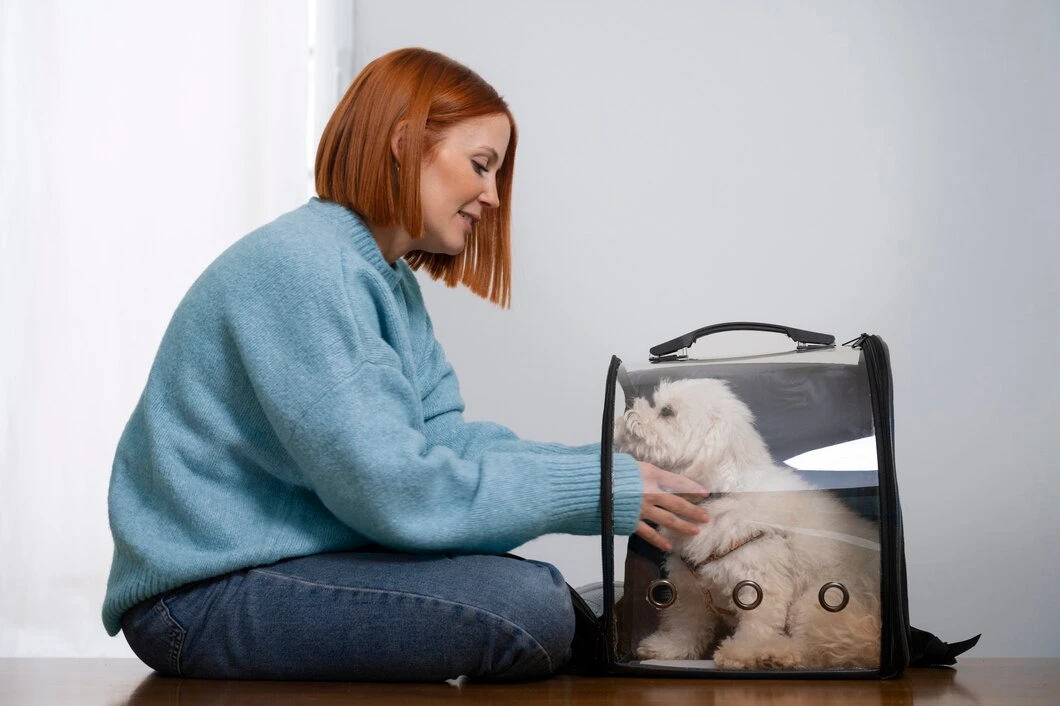
A well-packed crate reduces stress during long waits and delays. Keep it simple and functional rather than overloaded.
Recommended items:
- One familiar blanket or towel with home scent
- A spill-proof water dish attached to the crate door
- A small amount of regular food if the trip includes a meal window
- One quiet chew toy or comfort item, nothing squeaky or loud
- Puppy pads or absorbent liner under the main bedding
Avoid packing new toys, strong-smelling items, or unfamiliar bedding on travel day itself. Familiarity matters far more than novelty when a pet is already adjusting to a new environment.
Common Mistakes That Undo Crate Training
- Starting too close to the travel date. Training needs weeks, not days.
- Using the crate only for travel. Pets who only see the crate before stressful events start to associate it with anxiety.
- Skipping practice movement. A pet calm in a stationary crate may still panic once it starts moving.
- Ignoring small stress signals early on. Minor whining ignored in week one can become major distress by travel day.
- Switching crates right before the trip. A new crate on travel day removes all the familiarity you built.
Frequently Asked Questions
How long does crate training take before travel?
Most pets need two to six weeks of consistent practice, depending on temperament and prior experience.
Should I feed my pet before a long trip?
A light meal several hours before departure is usually safer than a full meal right before travel.
Can older pets still learn to use a crate?
Yes, older pets can adjust with patience, though the timeline is often longer than with younger pets.
Is it normal for a pet to whine during the first few crate sessions?
Some initial whining is common and usually fades as positive associations build.
Do I need a different crate for air travel versus car travel?
Airlines typically require hard-sided, IATA-compliant crates, while car travel allows more flexibility in crate type.
What if my pet refuses to enter the crate at all?
Slow down the introduction phase and use treats or meals to rebuild a positive association before trying again.
Wrapping Up
Crate training for travel is less about the crate itself and more about the trust you build with your pet inside it. A steady timeline, small practice runs, and attention to stress signals turn a stressful travel day into a manageable one for both of you.
Once your pet is comfortable with the crate itself, take a look at our guide on selecting the right travel crate and accessories to make sure the equipment matches the training you have put in.